Climate Change

Date: 2025-12-26
Category: Climate Change
Introduction
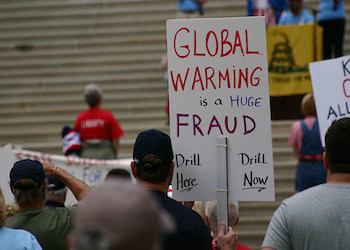
Climate change denial refers to the rejection, dismissal, or undermining of the scientific consensus that the Earth's climate is warming and that human activities - primarily the burning of fossil fuels - are the dominant cause. The scientific evidence for human-driven climate change is extensive and diverse, supported by multiple independent lines of inquiry across Earth's systems.
"Climate change is real. It is happening right now, it is the most urgent threat facing our entire species and we need to work collectively together an"
At its core, climate change denial takes several forms. Some deny that climate change is happening at all; others accept that the climate is changing but reject the idea that humans are responsible. Still others acknowledge both facts but downplay the severity of the impacts or the urgency of action. Denial can also be implicit - people may accept the science but fail to integrate it into their beliefs or behaviors.
A major driver of organized climate denial has been the fossil fuel industry. Beginning in the 1970s, internal research at major oil companies aligned with the scientific consensus, yet some of these companies later funded campaigns to cast doubt on climate science. Conservative think tanks, industry-aligned advocacy groups, and certain media outlets have also played significant roles in amplifying skepticism and spreading misinformation. More than 90% of academic papers skeptical of climate change have been traced to right-wing think tanks.
Climate change denial is not only a scientific issue but also a political and social one. Denial is often linked to ideological commitments, economic interests, and cultural identity. It has become especially influential in U.S. politics, where some policymakers have attempted to suppress or censor climate research, restrict public communication by scientists, or frame climate action as economically harmful.
The consequences of climate change denial are far-reaching. By delaying public acceptance of climate science, denial has slowed policy responses, hindered adaptation efforts, and contributed to worsening environmental and social impacts. Scholars argue that overcoming denial requires not only scientific communication but also addressing the political, economic, and cultural forces that sustain it.