Public Awareness and Understanding of Science

Date: 2025-12-31
Category: Science Advocacy
Introduction
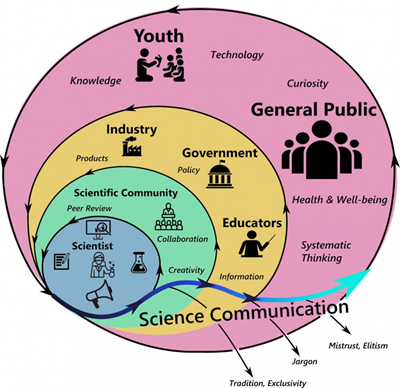
Public understanding of science has become one of the quiet foundations of a healthy, functioning society. Science shapes nearly every aspect of modern life - our health, our environment, our technologies, and even our economies. Yet the value of scientific knowledge isn't realized only in laboratory, it means being able to understand and critically evaluate scientific information, distinguish credible sources from misinformation, and apply scientific reasoning to everyday problems.
"We live in a society exquisitely dependent on science and technology, in which hardly anyone knows anything about science and technology."
A scientifically informed public strengthens democratic decision-making. Many of the most consequential policy debates - climate change, public health, energy systems, biotechnology - are rooted in scientific evidence. When people understand the basics of how science works, they are better equipped to evaluate competing claims, weigh risks and trade-offs, and hold leaders accountable. This understanding also acts as a buffer against misinformation, which spreads most easily when people lack the tools to assess credibility.
Scientific literacy is equally essential for public health and safety. Everyday decisions - from interpreting medical advice to responding to environmental hazards - require some grasp of scientific principles. During crises such as pandemics or natural disasters, the ability to understand and trust scientific guidance becomes a matter of collective well-being. Communities that can interpret evidence and act on it are more resilient and more capable of coordinated response.
As emerging technologies reshape society, public understanding becomes even more important. Innovations in artificial intelligence, gene editing, and data-driven systems raise ethical and social questions that cannot be left solely to experts or commercial interests. A public that understands the opportunities and risks of these technologies can participate meaningfully in debates about regulation, equity, and long-term impact. Without that participation, decisions risk being made in ways that do not reflect the public's values or needs.
Understanding how science works also strengthens trust. When people see science as a process - one that is evidence-based, self-correcting, and transparent - they are less likely to confuse individual opinions or commercial claims with scientific consensus. This trust supports the public mission of science, including the funding and institutions that make research possible.
Finally, scientific literacy contributes to economic resilience and social equity. A population that understands science is better prepared for a rapidly changing job market and more capable of adapting to technological shifts. It also empowers communities, especially those historically marginalized, to advocate for environmental justice, health equity, and fair access to technology.
In the end, public understanding of science is not simply about knowledge. It is about enabling people to make informed, humane, and forward-looking choices. It is about ensuring that scientific progress serves the public good. And it is about strengthening the relationship between science and society so that both can thrive.