Restoring Trust in Science

Date: 2025-12-23
Category: Public Trust
Introduction
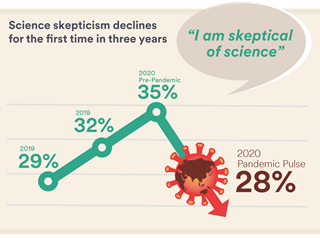
Public distrust of science is growing, especially concerning specific issues (like health/climate) and among certain political/ideological groups, fueled by misinformation and concerns about scientists' morals or agendas.
"I'm not not upset that you lied to me, I'm upset that from now on I can't believe you."
Restoring trust in science starts with recognizing why it has weakened. Political polarization has turned evidence-based issues into ideological disputes, while misinformation spreads faster than facts, creating confusion and reinforcing false beliefs. Cases of scientific misconduct and the rise of predatory journals further erode confidence, leaving many unsure whom to trust.
Rebuilding that trust requires strengthening the integrity and transparency of scientific work. Clear methods, open data, and rigorous peer review help show how science corrects itself. Institutions must also address unethical practices directly and visibly to demonstrate accountability.
Better communication is essential. Scientists need to move beyond one-way messaging and engage in genuine dialogue - listening to concerns, acknowledging uncertainty, and explaining why findings matter. Partnerships with educators, journalists, and community leaders can make complex research more accessible and relevant.
The information ecosystem also needs attention. Reducing the spread of disinformation, improving digital literacy, and ensuring responsible use of algorithms can help people navigate what they encounter online.
Depoliticizing science is another key step. Emphasizing that science is a process - not a political position - helps reduce perceptions of bias. Transparency about limitations and uncertainties strengthens credibility rather than weakening it.
Finally, trust grows through local engagement. When people see science addressing real problems in their own communities, it becomes more tangible and meaningful. Institutions and scientific organizations must lead by example, modeling openness, ethical responsibility, and a commitment to the public good.