Science Commercialization

Date: 2025-12-26
Category: Science Commercialization
Introduction
Science commercialization - the process of turning research into marketable products or services - can generate economic and social benefits, but it also carries significant risks that are often overlooked or understated.
"As to Bell's talking telegraph, it only creates interest in scientific circles, and, as a toy it is beautiful; but ... its commercial value will be limited."
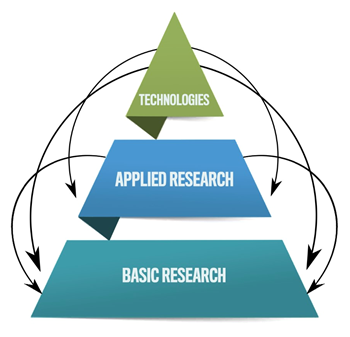
One major concern is the pressure commercialization places on the research environment. When universities and scientists are encouraged to prioritize marketable outcomes, it can distort research agendas, shifting attention away from basic or curiosity-driven science toward projects with clearer commercial potential. This pressure may also contribute to "science hype" where early-stage findings are overstated to attract investment or public interest, increasing the risk of premature translation of research into products or clinical applications before the evidence is mature.
Commercialization can also undermine public trust. If the public perceives that research is driven by profit rather than public good, confidence in scientific institutions may erode. This is especially problematic in fields like health and environmental science, where trust is essential for public engagement and policy support. Researchers warn that aggressive commercialization may misrepresent scientific realities and outcomes, creating confusion about what science can reliably deliver.
Another risk involves conflicts within research policy. As commercial incentives grow, universities may face tension between their traditional mission - advancing open, public knowledge - and the demands of proprietary, profit-oriented research. This can lead to restricted access to tools, data, or methods that were once openly available. For example, key public-health research instruments that were originally free have become commercialized, limiting access and increasing costs for researchers worldwide.
Finally, commercialization may harm the long-term contributions of university research. Short-term market pressures can discourage high-risk, high-reward research that lacks immediate commercial application but is essential for scientific progress. Over time, this may narrow the scope of scientific inquiry and reduce the diversity of research that universities support.
In short, while commercialization can accelerate innovation, it also introduces pressures that may distort research priorities, reduce openness, undermine trust, and weaken the long-term vitality of the scientific enterprise. A balanced approach - one that recognizes both benefits and risks - is essential for ensuring that science continues to serve the public interest.