
Risks of Alternative Medicine

Date: April 15, 2026
Category: Public Health
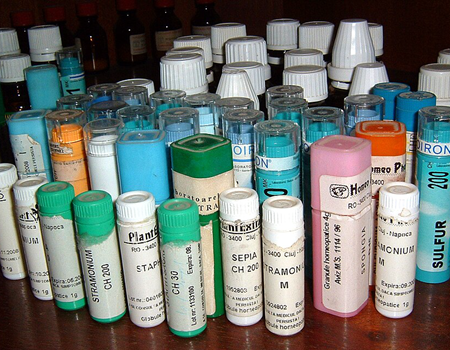
All images are AI generated or shared
under Creative Commons licencing complying with rules for Attribution, Non-Commercial, No Derivatives, and Share Alike.
Image Link
Introduction
Alternative medicine becomes risky when it replaces evidence-based care rather than complementing it. The core danger is delay: conditions that are highly treatable with established medical interventions can progress into more severe, irreversible stages when people rely on unproven remedies.
"We need to think rationally – all medical treatments need to be based in science and evidence. Facts don’t care about tradition."
Cancer is the clearest example. Many alternative therapies promise "natural healing", but none have demonstrated the ability to stop or reverse malignant growth. When patients postpone surgery, chemotherapy, or immunotherapy in favour of herbal regimens or energy treatments, survival rates drop sharply. The harm isn't theoretical - numerous case studies document preventable deaths following prolonged reliance on unvalidated treatments.
Another risk is the false sense of certainty that alternative medicine often provides. Evidence-based care is transparent about uncertainty, side effects, and probabilities. Alternative systems frequently offer absolute claims - "boost immunity", "detoxify", "rebalance energy" - that sound reassuring but lack measurable mechanisms. This mismatch can erode a patient's ability to make informed decisions. When people believe they are taking effective action, they may not recognize worsening symptoms or seek timely medical help.
Safety is also a concern. Many alternative products are marketed as harmless because they are "natural", yet natural substances can be potent, toxic, or interact dangerously with prescription medications. Contamination, inconsistent dosing, and lack of regulatory oversight increase the risk. Even seemingly benign practices, such as restrictive diets or high-dose supplements, can cause malnutrition, organ stress, or metabolic imbalance when used in place of clinically guided treatment.
A subtler but equally important risk is the erosion of trust in scientific institutions. When alternative medicine is framed as a superior or more authentic path, it can feed broader skepticism toward vaccines, public health guidance, and medical research. This undermines collective health and makes it harder for communities to respond to crises. Evidence-based medicine is not perfect, but it is self-correcting: treatments are tested, monitored, and revised based on data. Alternative systems rarely subject themselves to the same scrutiny, which means ineffective or harmful practices can persist indefinitely
The appeal of alternative medicine often reflects unmet needs - desire for more time with clinicians, more holistic attention, or more control over one's health. Addressing those gaps within evidence-based care is essential. But substituting unproven therapies for scientifically validated treatment carries real, sometimes irreversible consequences.
View Citations (6)