Six Hard Lessons from the Front Lines of Anti-Science

Date: 2026-05-09
Category: Antiscience
All images are AI generated or shared
under Creative Commons licencing complying with rules for Attribution, Non-Commercial, No Derivatives, and Share Alike.
Image Link
Introduction
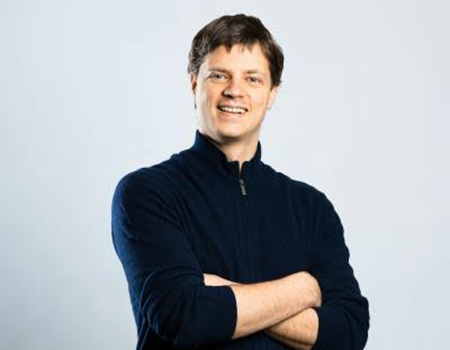
We need to talk about the anti-science movement , written by Philipp Markolin, PhD, and published on Protagonist Science in May 2026, draws on years of interviews with scientists, science advocates, and communicators who have found themselves unexpectedly on the front lines of a war they didn't start.
"The damage has been done and it’s so extensive that we’re talking 10, 15 years with a transfer of power to get it all back."
The article opens with a sobering data portrait: from around 680 tracked action items pertaining to attacks on science and education since January 2025, around 115 have been focused on vaccine science, immunization, and vaccine regulation - including the wholesale firing of the CDC's vaccine advisory committee, the rollback of childhood immunization schedules, and the conditioning of global vaccine funding on ideological compliance. Across scientific agencies such as NASA, NIH, and EPA, ideologically motivated funding cuts and reallocations are being used to dismantle unwelcome science, with individual actions ranging from a $12 billion cut to state health grants to a proposed $5 billion reduction in NIH funding.
From this data-driven foundation, Markolin distills six structural lessons.
The first and most important is that attacks on science or scientists are rarely driven organically; they are driven by vested interests and political power and the incentive structures they create through money, ownership, regulation, and ideological networks. Anti-science, in other words, is not a spontaneous uprising of the confused - it is an ecosystem where each participant is rewarded for their role.
The second lesson is about targeting. The scientists most aggressively harassed are rarely the most controversial or somehow sloppy with their data - they are often the most effective communicators or have the most relevant expertise to speak publicly with authority. The harassment script is consistent: question legitimacy, isolate the scientist, escalate pressure, and wait for silence.
Third, narrative beats evidence every time. Pseudoscience can provide narrative clarity, moral drama, or the promise of personal awakening. Against that, evidence presented without narrative context struggles. Anti-science gurus succeed not through insight but through anti-institutional storytelling, offering audiences the thrill of insider knowledge without the cost of actually learning anything.
Fourth, traditional scientific discourse and civility norms fail in an asymmetric media environment that monetises outrage and rewards spectacle. Scientists who enter public debate expecting good-faith engagement consistently find the rules don't apply to their opponents.
Fifth, disinformation sticks because of psychology, not ignorance. Once an idea enters memory, it continues to exert influence even after it has been consciously rejected. Repetition, emotion, and narrative coherence make false beliefs remarkably durable - which is why pre-bunking has emerged as a more promising intervention than correction after the fact.
The sixth and perhaps most damning lesson concerns institutions. Scientists are encouraged to engage publicly by their institutions, but when backlash arrives, the costs are privatized. Harassment, burnout, and career risk are treated as personal resilience failures rather than predictable system outputs. Institutions that applaud public engagement in theory then abandon scientists when coordinated harassment predictably arrives.
Markolin closes with a stark reframe: the question is no longer whether science can explain itself better, but whether society is willing to defend the conditions under which evidence-based discourse, and with it science and democracy, can still exist. Scientists alone cannot defeat a machinery they didn't create. The rest of us have to decide whether we're in the fight.