Anecdotal Evidence - Climate Change

Date: 2026-05-08
Category: Climate Change
Introduction
Scientists are rightly cautious about anecdotal evidence. A single hot summer proves nothing. One vanishing glacier is not a trend. Cherry-picking isolated observations to support a predetermined conclusion is the kind of reasoning science exists to correct. And yet, as global temperatures continue to climb, something interesting has happened: the anecdotal and the empirical have begun to converge. What people are witnessing with their own eyes increasingly matches what the data has long been saying.
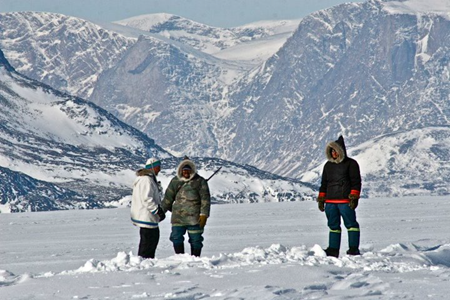
"I have not come here as an expert on climate change, but as a person who sees firsthand how people are affected in every aspect of their lives by climate... I have observed that Inuit traditional knowledge supports scientific research."
Climate change is rapidly altering the Arctic environment, directly threatening the food security, safety, infrastructure, and cultural traditions of the indigenous communities. Farmers in the American Midwest describe planting seasons that begin two weeks earlier than they did in their parents' time. Fishermen off the coast of Maine report lobster populations migrating steadily northward into Canadian waters. Ski resort operators in the Alps and the Rockies have watched their seasons contract from both ends - less snow arriving later, melting sooner. Wildfire smoke that once signaled a distant regional event now regularly darkens skies thousands of miles away, a sensory intrusion that makes abstract warming suddenly personal. News reports ever more severe heatwaves, land aridification, flooding, hurricanes and cyclones.
AnecdotalBased on personal accounts, individual stories, or casual observations rather than scientific research or hard facts. observations are not science. They are not controlled, they are not randomized, and they are subject to the full range of human memory's distortions. A farmer's recollection of his grandfather's planting calendar may be imprecise. Confirmation bias may sharpen some observations and blur others. This is why anecdote cannot substitute for the temperature records, sea level measurements, ice core data, and atmospheric modeling that constitute the actual scientific case for climate change.
But anecdotal evidence serves a different and underappreciated function: it makes the abstract visceral. Climate data presented as graphs and parts-per-million figures struggles to penetrate the emotional and political resistance that surrounds the issue. A neighbor describing how the creek behind her house no longer freezes in winter reaches people that a temperature anomaly chart does not. Personal testimony builds the social reality within which scientific findings either gain traction or stall.
Here are but a few of the rapidly escalating anecdotal observations:
Shifting Seasons and Agricultural Changes- Earlier Springs and Later Autumns: People often report flowers blooming earlier, warmer winters, and the need to turn on air conditioning earlier in the year
- Reduced Snowfall and Snowpack: Many residents in northern climates notice less snow overall, more rain in winter, and faster melting of snowpack compared to decades ago
- Shifting Agricultural Zones: Farmers and gardeners observe that they can grow crops that were previously too sensitive for their region, or that traditional crops are struggling with the changing climate
- More Extreme and Frequent Heatwaves: People report "unprecedented" high temperatures and more consecutive days of extreme heat, causing health issues and higher energy bills
- Increased Flooding and Intense Rainfall: Individuals often experience "once-in-a-lifetime" flood events, now occurring much more frequently, overwhelming local infrastructure
- Worsening Wildfires and Smoke: Residents in fire-prone areas report that wildfire seasons start earlier, end later, and the fires are more destructive and intense, bringing increased smoke and reduced air quality to large areas
- Shrinking Glaciers and Ice: Tourists and locals in mountainous or polar regions (like the Arctic) report visibly retreating glaciers and less ice coverage
- Drying Waterways: People report lower water levels in lakes, rivers, and streams, or dried-up wells, indicating severe, long-term drought
- Coastal Erosion: Homeowners and visitors in coastal areas see beaches disappearing, higher tides causing more damage, and salt water encroaching on freshwater areas
- Severe Allergy Seasons: More people report allergies, or more severe allergic reactions, due to earlier blooming and increased pollen counts
- Changes in Animal and Insect Activity: Residents notice new species of insects (like ticks) in areas they previously didn't inhabit, or changes in bird migration times
- Impacts on Wildlife: Observers report dying coral reefs, changes in marine life behavior, and disruption in local ecosystems
The danger is mistaking the tool for the proof. When skeptics point to a cold snap as evidence against warming, they are misusing anecdote in exactly the way scientists warn against. The appropriate role of personal observation is not to settle the scientific question - that has been settled - but to help a wider public feel the reality of what the numbers have been documenting for decades.