Vaccine Evidence: A Foundation of Safety and Efficacy

Date: 2026-02-13
Category: Vaccines
Introduction
For those who are skeptical, it’s helpful to look at the robust systems in place to ensure vaccine safety. Vaccines are among the most scrutinized medical products in the world.
"Vaccines save lives; fear endangers them. It's a simple message parents need to keep hearing."
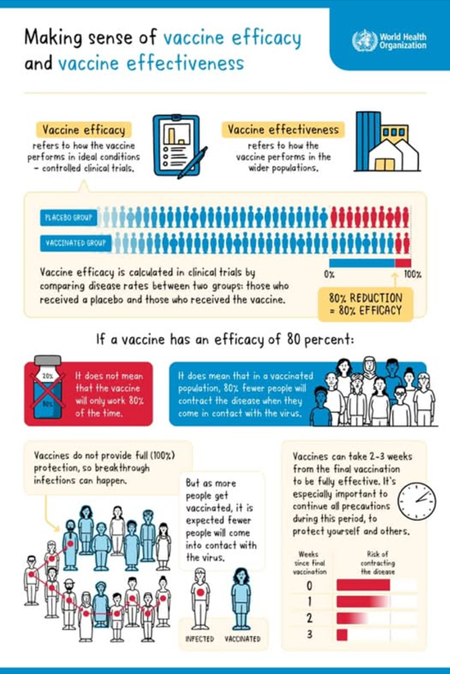
In Canada, the journey from lab to clinic is long and rigorous. Before a vaccine is approved by Health Canada, it undergoes about 10 years of research, development, and multiple phases of clinical trials involving thousands of participants.
These rigorous processes are further complemented by the work of independent organizations dedicated to ensuring the safety and efficacy of vaccines. These include organizations like Cochrane a global network of researchers known for unbiased reviews, and the Brighton Collaboration which focuses specifically on advancing vaccine safety science. These groups operate independently, free from the direct control of any single government or corporation, adding another layer of transparent oversight to the development and monitoring of vaccines. This collaborative approach strengthens public trust in the safety and reliability of vaccines.
But the oversight doesn’t stop there. Once a vaccine is in use, its safety is continuously monitored. Systems like the Canadian Adverse Events Following Immunization Surveillance System (CAEFISS) and the Immunization Monitoring Program ACTive (IMPACT) track any reported side effects. This allows public health officials to quickly identify and investigate any potential issues.