What are GMOs?

Date: 2026-01-09
Category: Public Health
All images are AI generated or shared
under Creative Commons licencing complying with rules for Attribution, Non-Commercial, No Derivatives, and Share Alike.
Image Link
Introduction
Genetically modified organisms (GMOs) are living things whose DNA has been intentionally altered using modern biotechnology. At their core, GMOs are simply organisms with a genetic change that scientists can introduce more precisely and predictably than traditional breeding ever allowed. Humans have been shaping crops and animals for thousands of years through selective breeding, but genetic engineering lets researchers make targeted changes: adding a beneficial gene, turning off an undesirable one, or tweaking how a plant responds to its environment. The goal is practical - healthier crops, reduced pesticide use, improved nutrition, or resilience in the face of climate stress.
"The biggest obstacle commercial diet plans face today is an educated public."
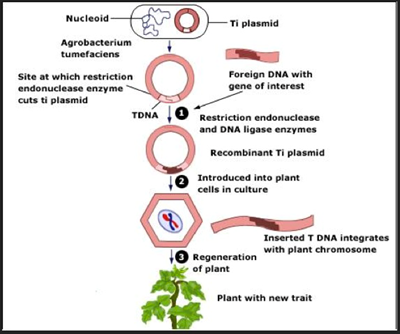
The process begins with understanding the genetic basis of a trait. Scientists identify a gene that performs a useful function - such as resistance to a particular insect or tolerance to drought. They isolate that gene, often from a related plant or a naturally occurring soil bacterium, and insert it into the DNA of the crop they want to improve. This can be done using several methods. One common approach uses Agrobacterium, a microbe that naturally transfers DNA into plants; researchers harness this ability to deliver the desired gene. Another method, known as gene gun technology, propels microscopic DNA-coated particles into plant cells. More recently, gene-editing tools like CRISPR allow scientists to make precise cuts in DNA, enabling them to add, remove, or modify genes without introducing foreign DNA at all.
Once the genetic change is made, the modified cells are grown into full plants in controlled environments. These plants undergo extensive testing to confirm that the new trait works as intended and that the plant grows normally. Before any GMO crop reaches farmers, it must pass through layers of regulatory review assessing safety, environmental impact, and nutritional quality. This process can take years and involves independent scientific evaluation
The result is a crop that carries a specific, well-characterized genetic change - nothing more mysterious than a tiny edit in the plant's instruction manual. Some GMOs help farmers reduce chemical sprays by producing their own natural pest resistance. Others allow crops to survive drought, salinity, or disease. Still others aim to improve nutrition, such as rice engineered to produce vitamin A.
Despite the controversy that often surrounds them, GMOs are fundamentally a tool - a way of applying genetic knowledge to real-world challenges in agriculture and food security. Understanding how they're made demystifies the technology and reveals a process grounded in biology, precision, and careful oversight rather than the fear-laden narratives that often dominate public debate.