Alternative Medicine and Therapy Safety

Date: 2026-04-15
Category: Alternative Medicine
Introduction
Alternative medicine and therapies are safest and most appropriate when they function as a complement to evidence-based care rather than a substitute for it. The clearest situations are those where the therapies involved low-risk, non-invasive, and aimed at improving comfort, coping, or overall well-being.
"There’s a popular saying among doctors: There’s no such thing as alternative medicine; if it works, it’s just called medicine."
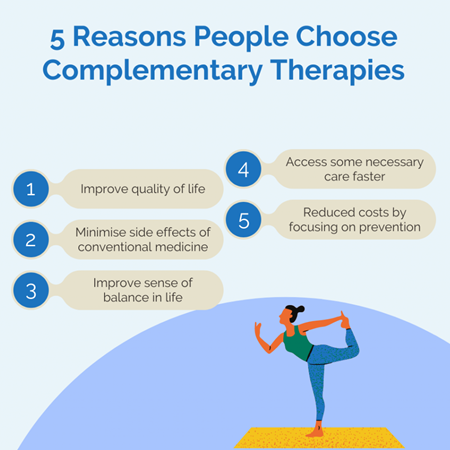
Practices such as mindfulness meditation, yoga, massage therapy, acupuncture, and certain herbal supplements with known safety profiles can support people living with chronic pain, stress, insomnia, or anxiety. These approaches do not treat the underlying medical conditions directly, but they can make symptoms more manageable and help people feel more in control of their health. Because they rarely interfere with medical treatments when used responsibly, they fit naturally alongside conventional care.
Another appropriate use is when alternative practices address needs that modern clinical settings sometimes overlook - time for reflection, a sense of agency, or a more holistic view of health. Many people turn to complementary therapies because they offer space to talk, to slow down, or to reconnect with their bodies. When these practices are framed honestly as supportive rather than curative, they can enhance quality of life without creating false expectations. For example, mindfulness-based stress reduction programs have been shown to help people cope with chronic illness, and acupuncture is sometimes used in hospital settings to ease nausea or pain. These uses are grounded in evidence about symptom relief rather than claims of curing disease.
Safety also depends on transparency and communication. Alternative therapies are most appropriate when practitioners are clear about what their methods can and cannot do, when they encourage patients to continue seeing their medical providers, and when they avoid making diagnostic or treatment claims outside their training. A collaborative approach - where clinicians know what complementary practices their patients are using - helps prevent harmful interactions and ensures that symptoms requiring medical attention are not overlooked. This is especially important with herbal products, which can vary in quality and may interact with medications; discussing them with a healthcare professional helps keep their use safe.
Ultimately, alternative medicine is at its best when it supports comfort, resilience, and personal meaning without replacing the treatments that have been rigorously tested for safety and effectiveness.