Improving Your Science Literacy

Date: 2026-03-09
Category: Science Literacy
Introduction
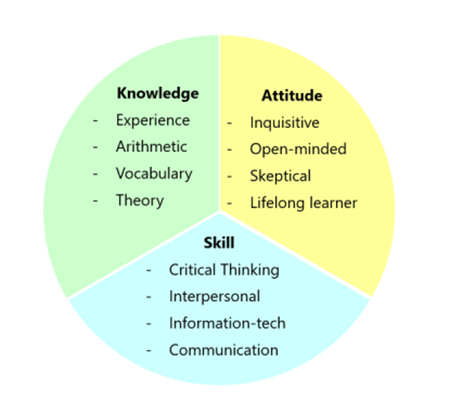
Science literacy isn't about memorizing formulas or mastering obscure terminology. At its heart, it's the ability to understand how scientific knowledge is built, to evaluate evidence, and to make informed decisions in a world shaped by technology and data. Strengthening it is less about becoming an expert and more about cultivating habits of curiosity, skepticism, and engagement - habits that anyone can develop.
"Science literacy is a vaccine against the charlatans of the world that would exploit your ignorance."
The first step is learning to see science as a process rather than a collection of facts. Scientific ideas evolve because they are constantly tested, challenged, and refined. When the public understands this, shifting recommendations - whether about nutrition, climate, or public health - stop looking like contradictions and start looking like progress. Embracing this mindset helps people navigate uncertainty with confidence instead of frustration.
Another powerful tool is learning to evaluate sources. In an information landscape where credible research competes with speculation and misinformation, the ability to distinguish peer-reviewed evidence from opinion is essential. People can start by asking simple questions: Who conducted the research? How was the data gathered? Is the claim supported by multiple independent studies? These small acts of scrutiny build a sturdier foundation for understanding the world.
Engaging with science in everyday life also strengthens literacy. Reading beyond headlines, exploring science journalism, visiting museums, or listening to reputable science communicators can turn abstract concepts into relatable stories. Even casual exposure - like following a climate scientist on social media or attending a local astronomy night - helps normalize scientific thinking and makes complex topics feel less intimidating.
Just as important is the willingness to challenge one's own assumptions. Intellectual humility - the recognition that no one has all the answers - opens the door to learning. When people feel comfortable saying "I'm not sure" or "I want to look into that," they create space for evidence to matter. This humility is contagious; it encourages healthier conversations in families, workplaces, and communities.
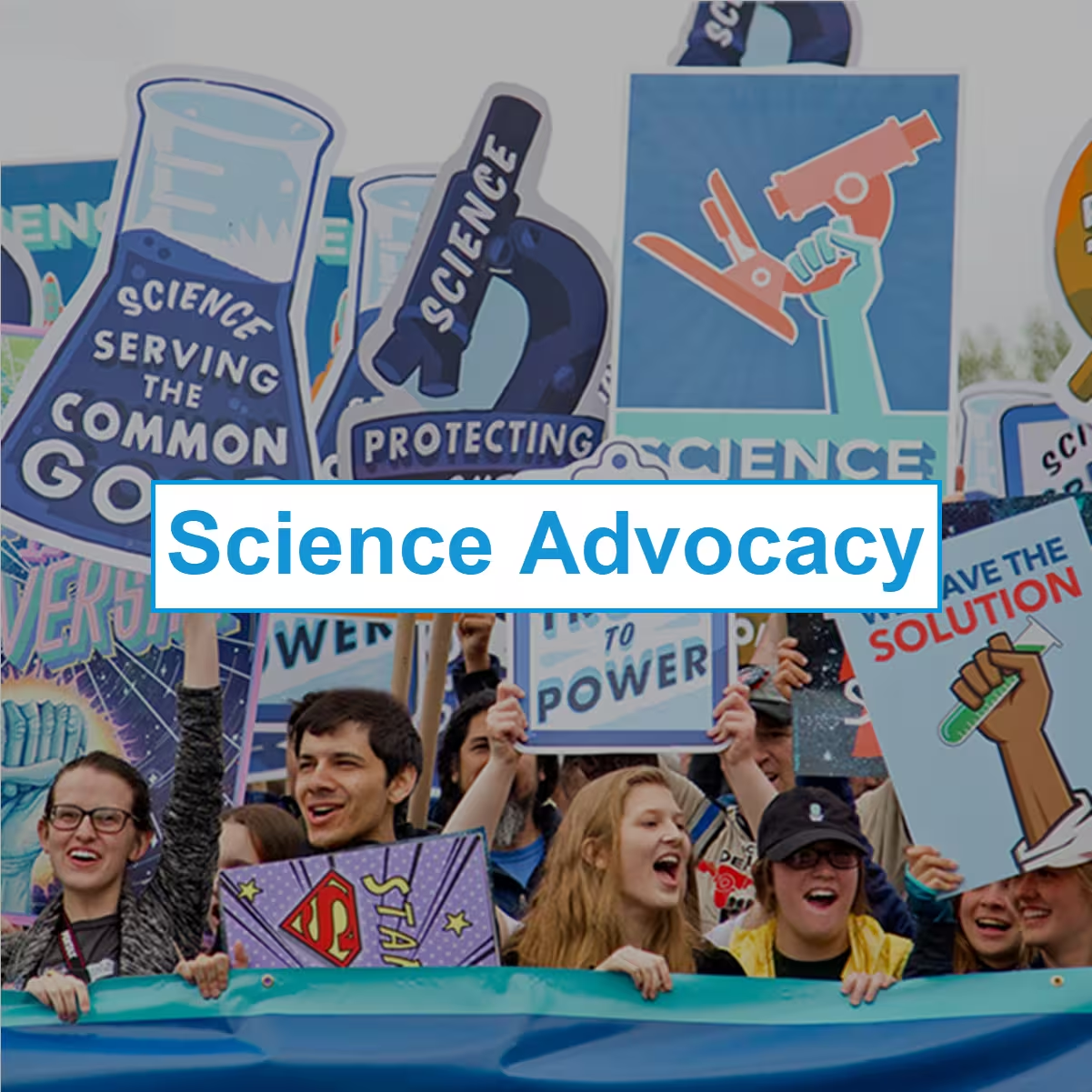
Finally, science literacy grows when people participate. Citizen-science projects, community data initiatives, and public forums on science‑related issues invite individuals to contribute directly to the scientific process. These experiences demystify research and show that science is not something done by distant experts but a collaborative effort that benefits from many perspectives
Improving science literacy is not a luxury - it's a public good. It empowers individuals to make informed choices, strengthens democratic decision-making, and builds resilience against misinformation. When the public embraces curiosity, values evidence, and engages with science as an ongoing conversation, society becomes better equipped to face the challenges of an increasingly complex world.