Risks of Science Misinformation

Date: 2026-03-09
Category: Science Misinformation
Introduction
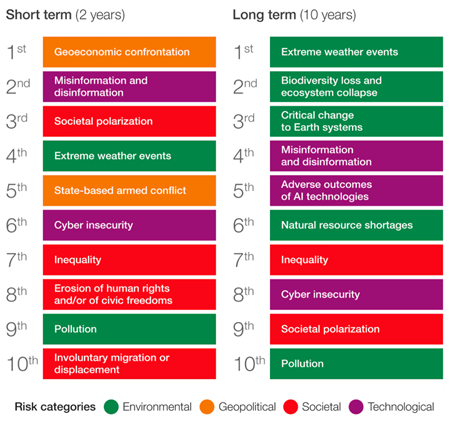
Science misinformation and disinformation don't just cloud public understanding - they reshape the world in ways that can be profoundly harmful. In a society where scientific knowledge guides everything from public health to climate policy, false or distorted claims can spread faster than evidence, eroding trust and weakening our collective ability to make informed decisions. The danger isn't only that people believe things that aren't true; it's that misinformation creates confusion, polarizes communities, and undermines the very systems designed to protect the public good.
"The first principle is that you must not fool yourself – and you are the easiest person to fool."
The damage often begins subtly. A misleading headline circulates on social media, a charismatic influencer promotes a baseless claim, or a conspiracy theory fills the gaps left by scientific uncertainty. These messages are crafted to provoke emotion - fear, anger, or outrage - which makes them far more shareable than careful, evidence-based explanations. As they spread, they create the illusion of legitimacy, making it harder for people to distinguish credible information from noise. Over time, this erodes trust not only in specific scientific findings but in the institutions that produce them
The consequences can be severe. Public health offers some of the clearest examples: misinformation about vaccines, treatments, or disease risks can lead to preventable illness and death. When people reject evidence-based guidance, outbreaks worsen, healthcare systems strain, and vulnerable populations bear the brunt. But the harm extends far beyond medicine. Climate disinformation delays action on environmental challenges, allowing problems to grow more costly and difficult to solve. Misinformation about energy, agriculture, or technology can distort policy debates, leading to decisions that ignore evidence and prioritize short‑term narratives over long-term well-being.
Disinformation - misinformation spread deliberately - poses an even deeper threat. When falsehoods are weaponized to sow doubt or advance political or economic agendas, they weaken democratic processes and fracture social cohesion. The goal is not simply to convince people of a lie but to make them distrust the possibility of truth itself. In that environment, expertise becomes suspect, consensus becomes optional, and evidence loses its power to guide collective action.
Perhaps the most insidious risk is the erosion of shared reality. When communities operate with fundamentally different understandings of basic scientific facts, it becomes nearly impossible to build consensus on issues that require cooperation. This fragmentation leaves society vulnerable to manipulation, amplifies polarization, and makes it harder to respond to crises that demand unity.
Science misinformation and disinformation thrive in the gaps - gaps in trust, in communication, in education, and in access to reliable information. Closing those gaps is essential. A society that values evidence, invests in science communication, and cultivates critical thinking is far better equipped to resist falsehoods and navigate uncertainty. The stakes are high, because the cost of misinformation is not just confusion - it is real-world harm, measured in public health setbacks, environmental degradation, and weakened democratic resilience.