Downsizing and Defunding Science

Date: 2026-04-18
Category: Science Funding
All images are AI generated or shared
under Creative Commons licencing complying with rules for Attribution, Non-Commercial, No Derivatives, and Share Alike.
Image Link
Introduction
The closure or reduction of major U.S. science and health-related government departments marks a profound turning point in the country's relationship with evidence, expertise, and public welfare.
"A government shutdown is a science shutdown; the decision to pull the plug on government funding incur steep costs on wind-down and re-start, and leads to massive general waste and disruption."
These institutions - whether focused on disease surveillance, environmental monitoring, biomedical research, or public health preparedness - form an interconnected system that most people rarely notice until it falters. Their work is often invisible by design: preventing outbreaks before they spread, regulating contaminants before they accumulate, and funding research long before it becomes a lifesaving therapy. When such agencies are downsized or dismantled, the effects ripple outward in ways that are both immediate and generational.
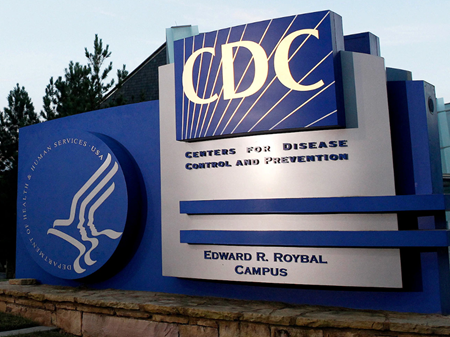
The first impact is informational. Agencies like the CDCCenter for Disease Control, NIHNational Institutes of Health, EPAEnvironmental Protection Agency, and NOAANational Oceanic and Atmospheric Administration maintain the data streams that allow the country to understand what is happening in real time - whether a virus is circulating, a pollutant is rising, or a climate-driven hazard is approaching. Reductions in staffing or capacity can slow or interrupt these systems, leaving states, hospitals, and communities without the early warnings they rely on. Scientists often describe this as "flying blind": decisions still have to be made, but the instruments that guide them are dimmed or missing.
The second impact is economic. Federal science agencies fund universities, laboratories, and private-sector innovators across the country. Their grants support graduate students, sustain research careers, and seed technologies that later become industries. When budgets shrink, entire research programs can collapse, and the talent pipeline narrows. Regions that depend on federal labs or research partnerships may feel the loss most acutely, but the long-term consequences - slower medical breakthroughs, reduced competitiveness, and weakened manufacturing capacity - extend nationwide.
There is also a public-health dimension. Agencies responsible for food safety, drug oversight, environmental protection, and disease control form the backbone of national health security. Reductions in these areas can lead to longer approval times, fewer inspections, and diminished capacity to respond to emergencies. During crises - whether natural disasters, chemical spills, or emerging pathogens - these gaps become visible. Communities that already face health disparities are often the first to feel the strain.
Finally, the symbolic impact is significant. Government science agencies represent a collective commitment to shared facts and shared responsibility. Their weakening can signal a shift toward more fragmented, privatized, or politicized approaches to knowledge and health. Some commentators argue that such changes reflect broader debates about the role of government, while others warn that they risk undermining public trust and national resilience. Regardless of perspective, the transformation of these institutions reshapes how a society understands itself and prepares for the future.
In the end, the closure or reduction of major science and health departments is not just an administrative change. It alters the country's capacity to anticipate problems, protect its people, and invest in discoveries that benefit generations yet to come.