Genetic Engineering - Ethical Concerns

Date: 2026-03-13
Category: Ethical Concerns
Introduction
Genetic engineering has carried science into a realm once reserved for myth and imagination. With tools like CRISPR, synthetic biology, and gene drives, researchers can now rewrite the code of life with a precision that would have stunned earlier generations. Yet as the power to alter organisms, ecosystems, and even future humans becomes routine, science finds itself confronting ethical questions that cut to the core of what it means to act responsibly in a world shaped by human hands.
"The final goal of reproductive engineering appears to be the manufacture of a human being to suit exact specifications... The powerless in any society will get more disempowered."
One of the most pressing dilemmas is the boundary between therapy and enhancement. Editing genes to cure inherited diseases feels morally intuitive, even overdue. But the same techniques can be used to select traits, boost physical or cognitive abilities, or engineer embryos according to parental preference. The line between healing and designing is thin, and once crossed, it risks turning human genetics into a marketplace. The consequence is a future where inequality could be encoded not just in social structures, but in biology itself.
Beyond humans, genetic engineering is reshaping entire ecosystems. Gene-drive technologies, designed to spread engineered traits rapidly through wild populations, offer the possibility of eliminating malaria-carrying mosquitoes or controlling invasive species. Yet releasing engineered organisms into the environment carries profound uncertainties. Ecosystems are intricate, interdependent systems; a single genetic change can cascade in ways we cannot fully predict. The consequence is a moral tension between the urgent desire to reduce suffering and the responsibility to avoid irreversible ecological harm.
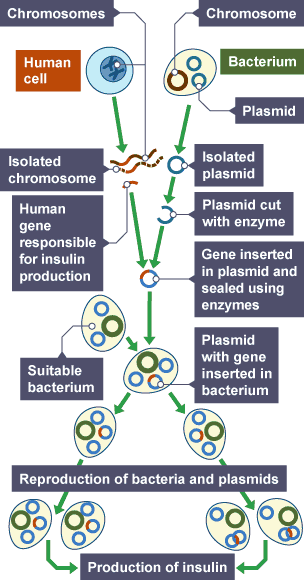
The rise of synthetic biology adds another layer of complexity. Scientists can now build organisms from scratch, crafting biological systems that have no natural counterpart - see this example These innovations promise breakthroughs in medicine, energy, and agriculture, but they also raise concerns about biosecurity, accidental release, and the creation of organisms whose behavior we cannot fully anticipate. As the tools become cheaper and more accessible, the risk of misuse - whether intentional or accidental - grows alongside the potential benefits
Even the data that fuels genetic engineering poses ethical challenges. Vast genomic databases, often collected by private companies, contain deeply personal information about ancestry, health, and identity. Questions of consent, ownership, and privacy loom large. Who controls genetic data? Who profits from it? And how do we protect individuals and communities from discrimination based on their DNA? The consequence is a growing tension between scientific discovery and the rights of the people whose genetic material makes that discovery possible.
Across all these issues runs a deeper truth: genetic engineering is not just a scientific tool - it is a force that can reshape the biological and social fabric of the world. The ethical challenges it raises are not obstacles to progress; they are the guardrails that determine whether progress leads to shared benefit or unintended harm. As science moves deeper into the genome, the responsibility to act with humility, foresight, and fairness becomes not just an ethical choice, but a necessity for the future we are creating.