The Rise of Antiscience
ScienceScience is a method for generating increasingly reliable knowledge under uncertainty. is increasingly threatened. From political interference and misinformation to funding cuts and a general distrust of scientific institutions, it's becoming harder for scientists to carry out research and for the public to trust scientific findings.
Additionally, issues like climate change denial, the spread of pseudoscience, and even the pressure to prioritize short-term economic benefits over long-term scientific research add to the threat.
There are a growing number of issues that undermine the integrity, progress, and public trust in science. These include: misinformation, political interference, funding challenges, erosion of public trust, commercialization of science, decline of scientific literacy, and ethical concerns in research.
Welcome To My
Epiphany
I designed this site to highlight escalating antiscienceAntiscience refers to attitudes or beliefs that reject or oppose scientific ideas, methods, and principles, ranging from skepticism about specific technologies to outright denial of established scientific consensus., the threat that it represents, and to empower readers with advocacy strategies. Advocating for science is crucial for several reasons, especially in a world that faces increasingly complex and interconnected challenges.

Threats to Science
Science is confronting several converging threats that undermine its integrity, progress, and public trust.
-
Misinformation
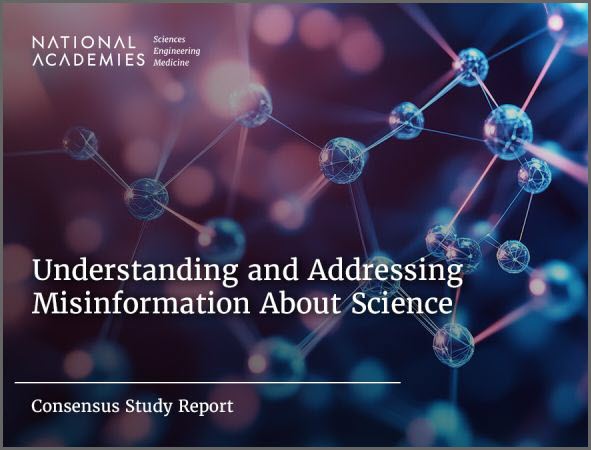
One of the most pressing threats to science is the spread of misinformation.
-
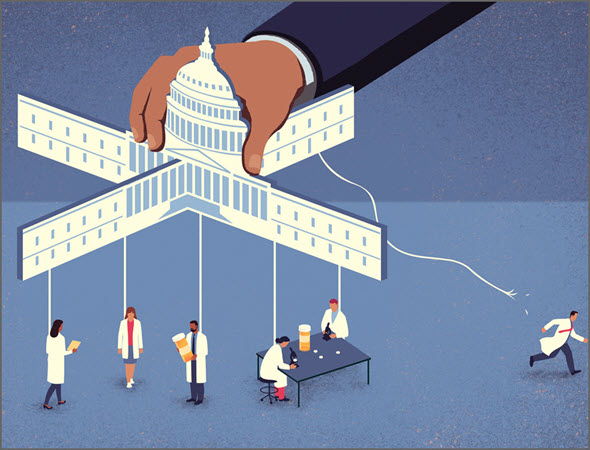
Political Interference
Science is being increasingly politicized across the world.
-
Funding Challenges
Scientific research is often dependent on government and industry funding.
-
Erosion of Public Trust
There is growing loss of public trust in science, especially developed nations.
-
Climate Change Denial
Climate change is the most urgent and politicized scientific issue of our time.
-
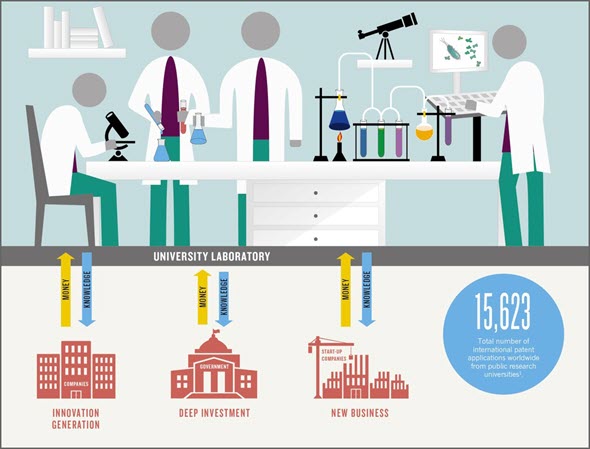
Science Commercialization
Scientific research is increasingly influenced by commercial interests.
-
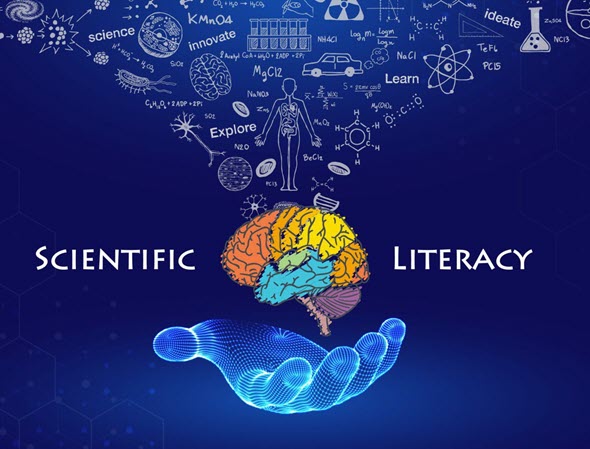
Decline of Scientific Literacy
Scientific illiteracy risks manipulation by false claims and pseudoscience.
-
Global Inequities in Science
Access to resources and research opportunities is unequal around the world.
-
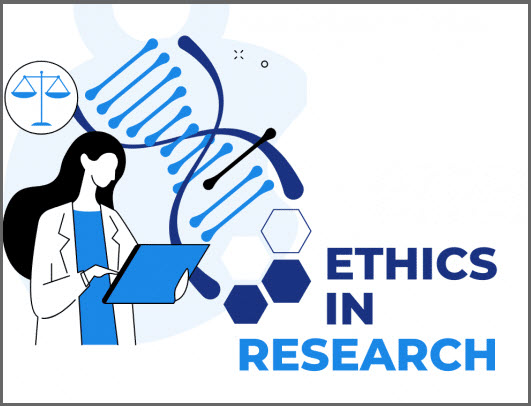
Ethical Concerns in Research
Ethical issues are arising with new technologies, e.g., genetics and AI.
Science Advocacy
Promoting Evidence-Based Decision-Making and Scientific Integrity
Contact My
Epiphany
My EpiphanyVancouver, Canada admin@my-epiphany.com
![]()