Solar Energy Misinformation

Date: 2026-02-23
Category: Climate Change
Introduction
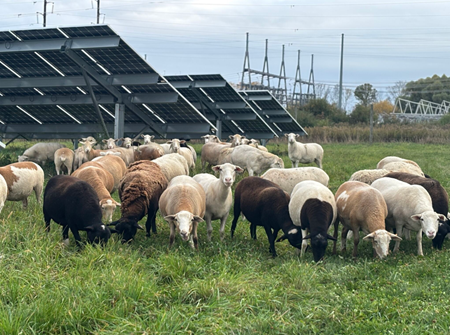
The rumor started, as these things often do, with a single post - an image stitched together from half-truths and confident declarations, shared by someone who insisted they were "just asking questions". By the time Maya saw it, the post had already been shared thousands of times. It claimed that solar panels "leak toxic chemicals into the soil", that they "take more energy to make than they ever produce", and that "solar farms cause cancer in nearby communities". None of it was true, but the comments section was full of people nodding along as if they'd uncovered a secret the energy companies didn't want them to know.
"I'd put my money on the sun and solar energy."
Maya wasn't a scientist, but she worked at the local library, and she'd spent enough time helping students with research to know when something smelled off. She clicked through the links - most led to blogs with no authors, no citations, and no evidence. A few referenced studies, but when she looked them up, the findings had been twisted beyond recognition. One paper about manufacturing waste had been reframed as proof that solar panels were "environmental disasters". Another, which simply noted that solar farms can warm the air immediately above them, had been inflated into claims about "regional climate disruption".
What bothered her most wasn't the misinformation itself but how quickly it spread. The town council was debating whether to approve a small community solar project, and suddenly neighbors who had never shown interest in energy policy were repeating the same talking points from that viral post. Fear travels fast, she thought, especially when it's dressed up as concern for public safety.
So she did what librarians do best: she gathered information. She printed fact sheets from national labs explaining that modern solar panels are sealed, inert, and safe. She highlighted lifecycle analyses showing that panels repay their manufacturing energy within one to three years and then produce clean electricity for decades. She found studies showing that solar farms don't cause cancer, don't poison groundwater, and don't disrupt local climates in any meaningful way. She even prepared a short reading list for anyone who wanted to dig deeper.
At the next council meeting, Maya didn't give a speech. She simply handed out her packet and asked people to read. Some still clung to the rumors - they always do - but others paused, reconsidered, and asked better questions. The conversation shifted from fear to curiosity, from conspiracy to community planning.
Walking home afterward, Maya felt something she hadn't felt in weeks: relief. Misinformation was powerful, but so was patience, clarity, and the quiet insistence on evidence. Solar energy wasn't perfect, but it was honest work - sunlight turned into electricity, no smoke, no hidden agenda. And sometimes, she realized, the most radical thing you can do is help people see the difference between a shadow and the thing casting it.